The direct answer
First establish whether weak flow affects one fixture, only hot water or the whole property. This separates a local aerator restriction from problems that may involve the supply, regulator, piping or a leak.
Map the pattern
Compare several cold and hot taps, ideally at different times. Record whether the problem began after utility work, a repair or a long period away. A tap with poor flow can have adequate static pressure but a restriction that limits delivery. That distinction matters before replacing a regulator or a water heater.
Check accessible fixtures
A removable faucet aerator can collect debris; follow the fixture manual for removal and cleaning. Avoid forcing old valves or adjusting a main regulator by guesswork. If the change affects the entire home, ask the water supplier about interruptions. Unexplained moisture or meter movement may indicate a leak and deserves investigation.
Know when testing is needed
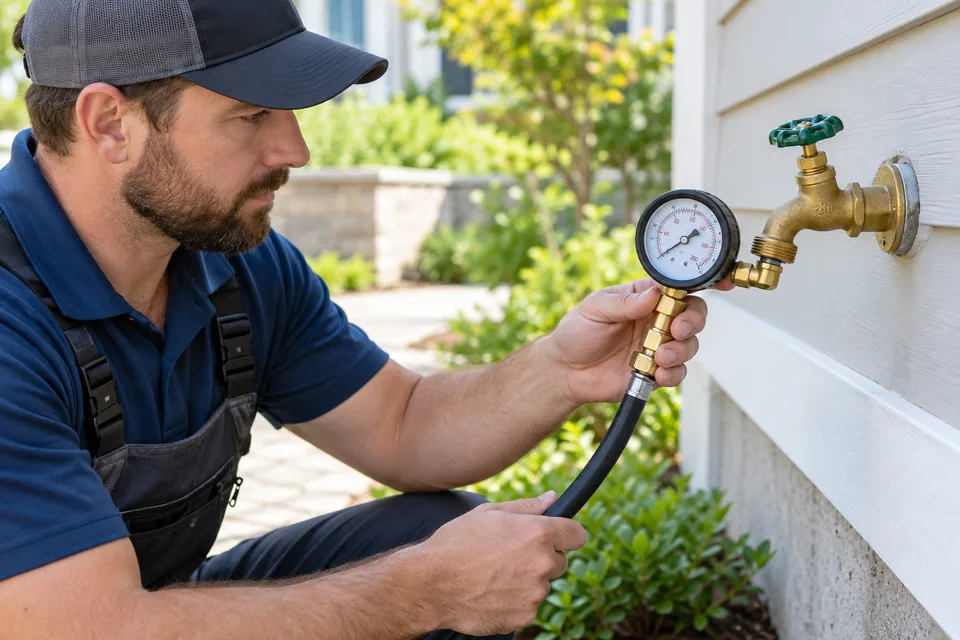
A provider can measure static and flowing pressure and isolate the affected section. Hot-side-only problems may involve the heater or a mixing valve; a whole-house problem may be upstream. Request measured findings and an explanation of what the proposed work will correct. A larger pipe or new appliance is not automatically the answer.
When professional help makes sense
Stop owner troubleshooting if the source remains unclear, the symptom returns or the work involves gas, live electricity, sewage or concealed piping. For this issue, explore the checks and repair options for low water pressure. A provider should explain the diagnosis, scope and price before you authorize work.
For an active uncontrolled leak, use an accessible shutoff only from a safe dry location. If you suspect a gas leak, leave without operating switches and contact the gas utility or emergency services from a safe place. Do not keep using a fixture that sends wastewater into the home.
What to tell the provider
- Where the symptom appears and when it began.
- Which fixtures are affected and any recent changes or work.
- Any visible leak, error code or unusual sound.
- What you have safely checked and whether any chemicals were used.
Ask about a diagnostic fee, current availability, the proposed repair and any access or restoration work. Independent providers set their own terms. This website may receive referral compensation; read how the referral relationship works.
For general leak and fixture maintenance, see EPA WaterSense home maintenance. For heater selection, see the U.S. Department of Energy water heater selection guide. Always follow the specific equipment manual. These resources do not verify local provider coverage.