Common Emergency Plumbing Problems
Recognize the symptoms and understand what may need attention.
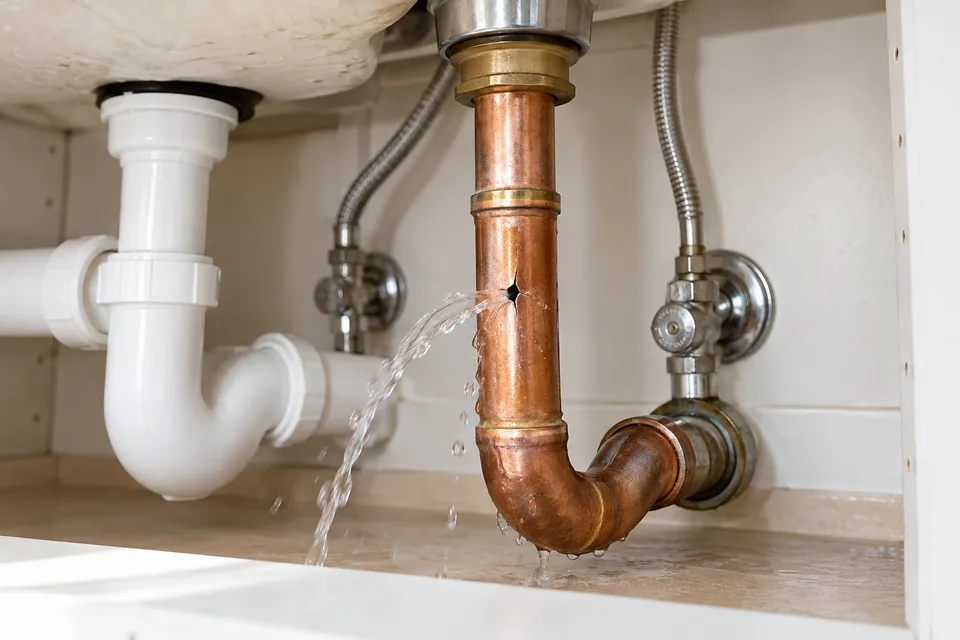
Active water leak
A split supply pipe can release water even when every faucet is off. If the shutoff is accessible from a dry location, close it gently and keep people away from wet electrical equipment.
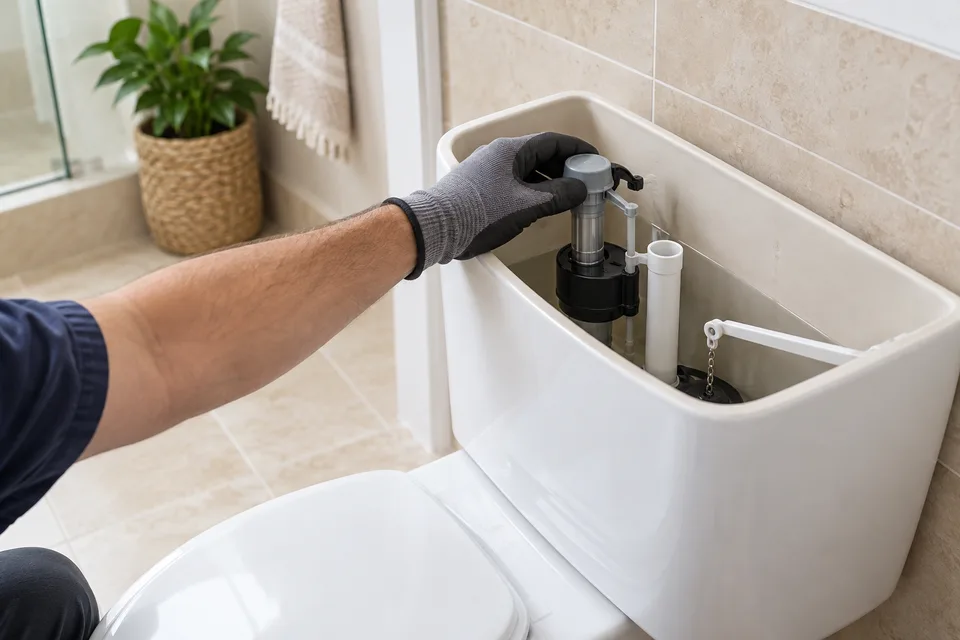
Overflowing toilet
An overflowing bowl can come from a local obstruction or a deeper drain problem. Stop flushing. Close the toilet supply valve if it moves freely; do not force a corroded valve.
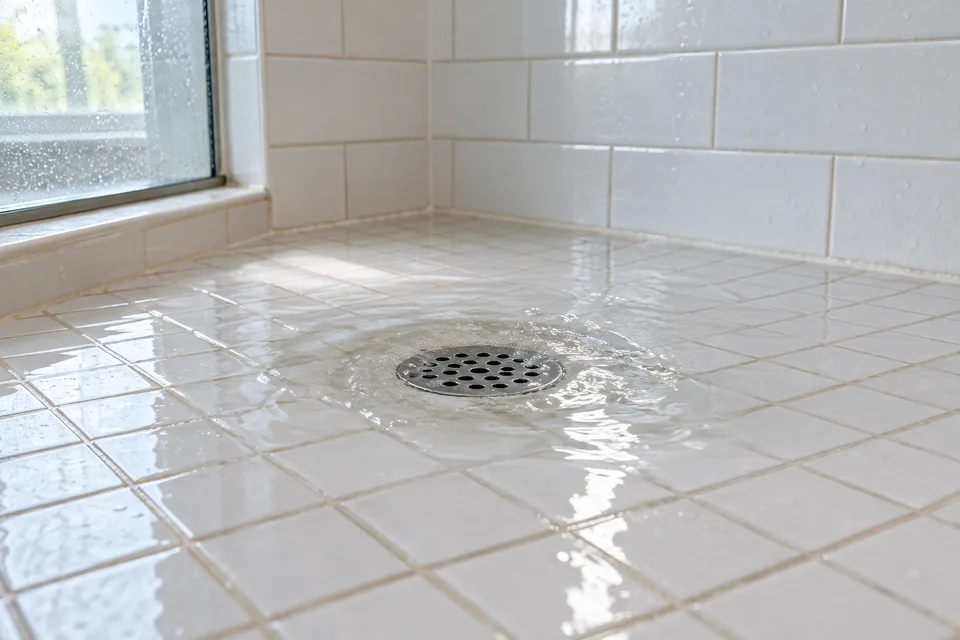
Sewage backup
Wastewater appearing in a shower or floor drain can indicate a shared blockage. Stop using sinks, showers and appliances. Keep children and pets out of the affected space.
Identify a safe shutoff
Know whether the leak is on the supply side or occurs only while a fixture drains. Closing an individual fixture valve may isolate a small supply leak without shutting down the entire house. If water continues or you cannot identify the source, a safe main shutoff may be needed.
Contain water without taking risks
Move belongings only when the area is safe. A bucket can catch a minor drip, but avoid opening ceilings, touching wet wiring or entering standing water near electrical equipment. Photograph visible damage for your own records.
Arrange diagnosis before repairs
Tell the provider what is happening now, whether the water is off and whether sewage or electrical hazards are present. Ask about current availability, the dispatch charge and how approval for additional work is obtained. This website cannot guarantee an emergency response.
When to Call a Professional
Seek assessment when symptoms persist, the source is uncertain or a safe owner check does not resolve the issue.
- Persistent or recurring: active water leak
- Persistent or recurring: overflowing toilet
- Persistent or recurring: sewage backup
- Water reaching electrical equipment
- Work involving gas, concealed pipes or sewage
- A shutoff that will not operate safely
Keep clear of wet electrical areas and sewage. If you suspect a gas leak, leave without operating switches and contact the gas utility or emergency services from a safe location. Never cap a water heater relief valve.
Local area information
Explore the local context, then confirm provider coverage for your exact address.