Common Water Heater Problems
Recognize the symptoms and understand what may need attention.
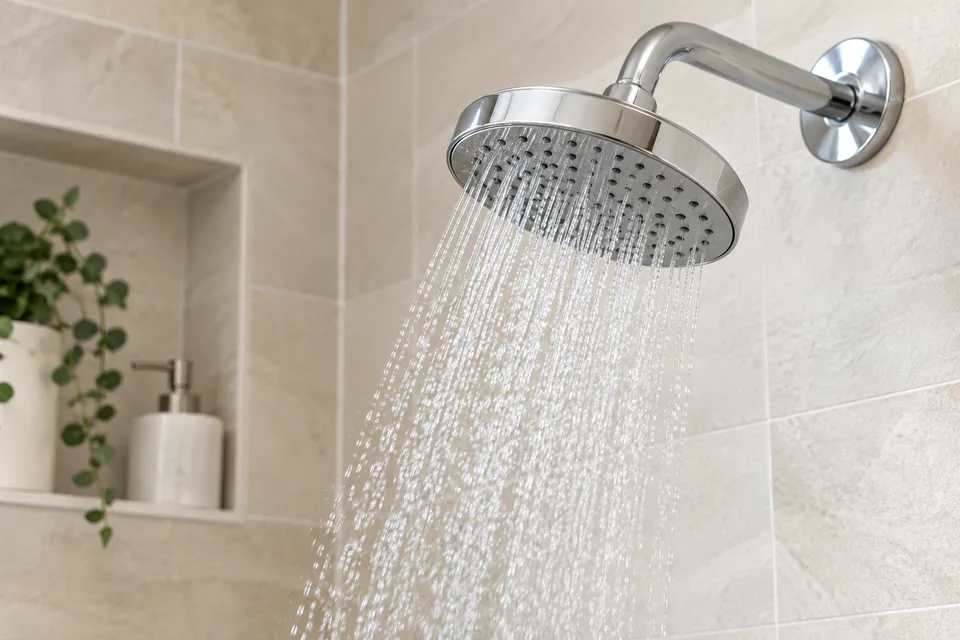
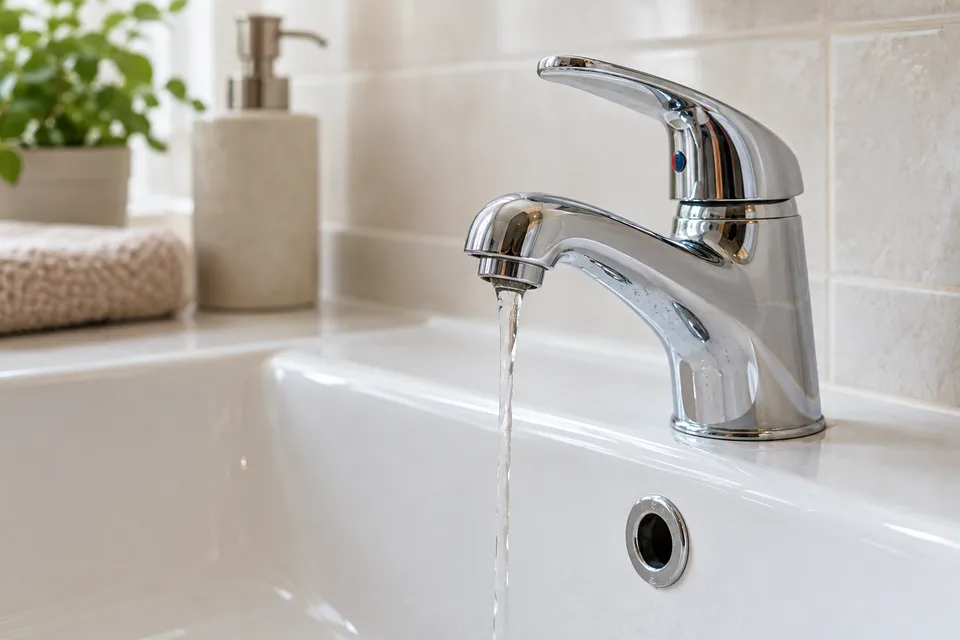
No hot water
Loss of hot water may involve an energy supply issue, a failed heating component or a control fault. Check whether all hot taps are affected before assuming the heater itself has failed.
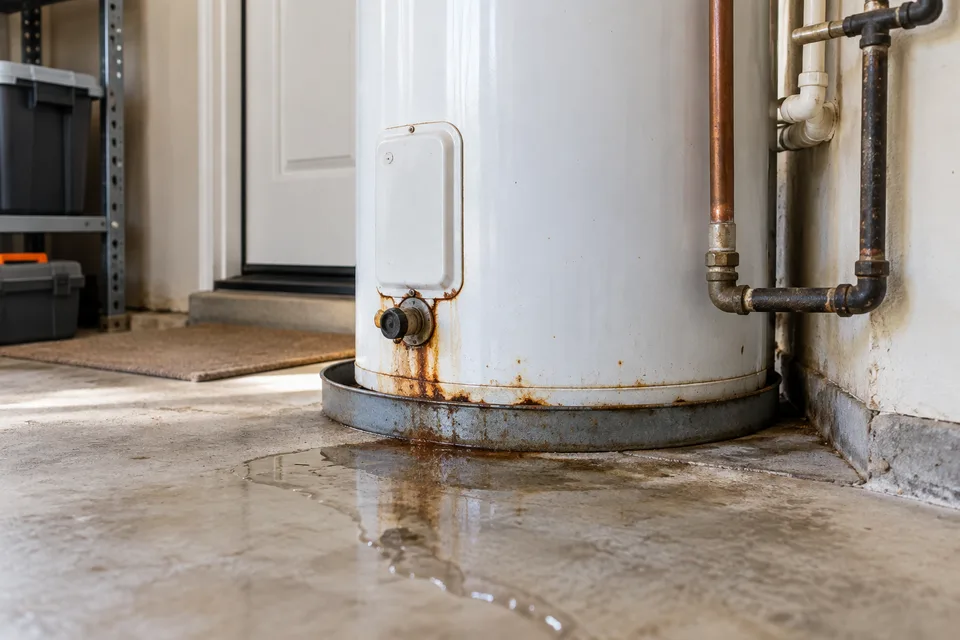
Leaking water heater
Water at the base can travel from a connection above. A leaking drain valve may be repairable; leakage through the tank body usually calls for replacement assessment.
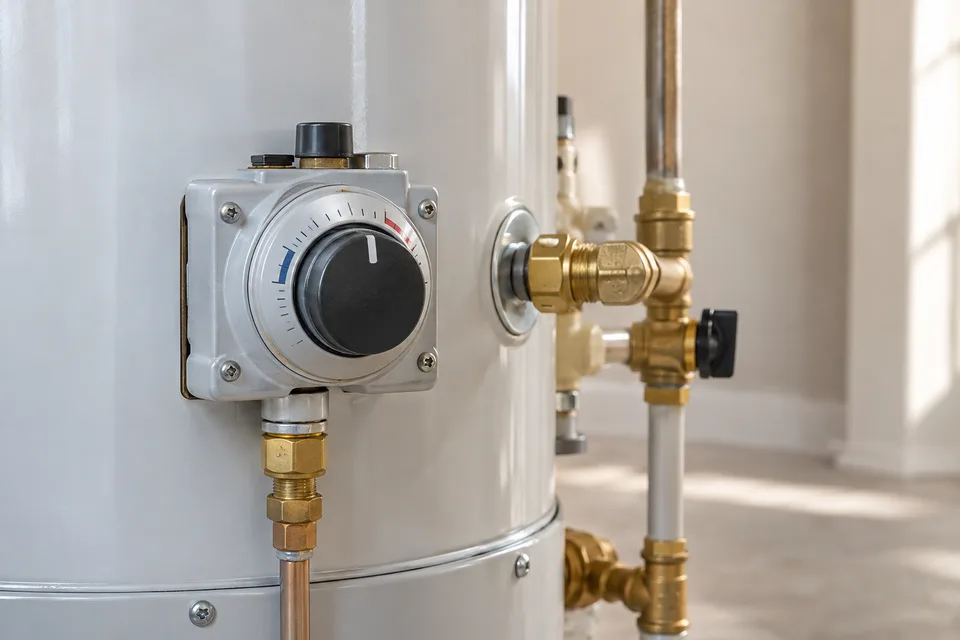
Strange noises
Popping or rumbling can accompany sediment, while banging can have other plumbing causes. A sound alone does not identify the fault. Record when it occurs and whether performance has changed.
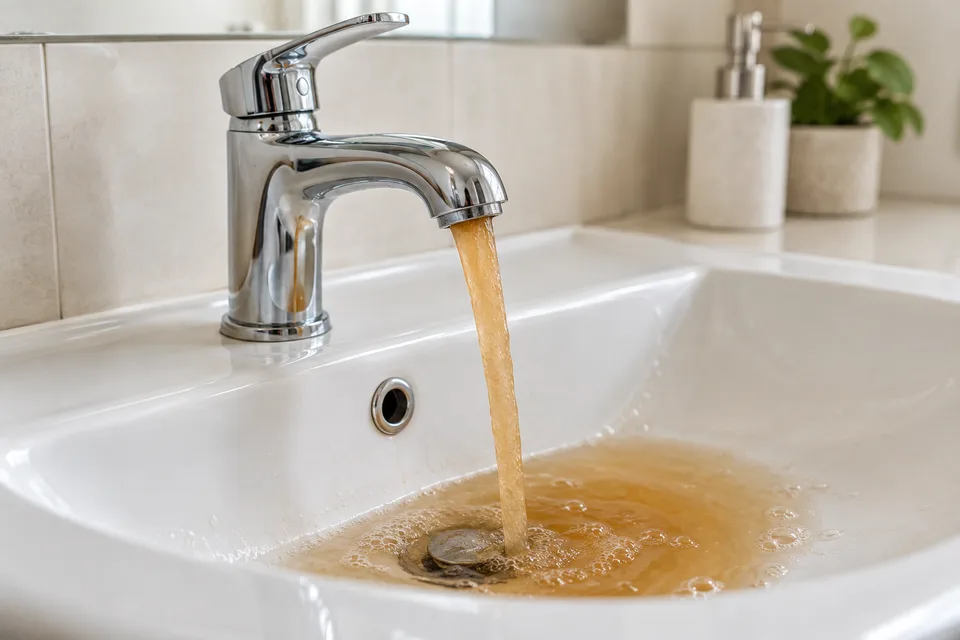
Discolored water
Rusty hot water can come from corrosion, while cloudy water may have other causes. Compare hot and cold taps. Persistent discoloration needs assessment rather than an assumption about safety.
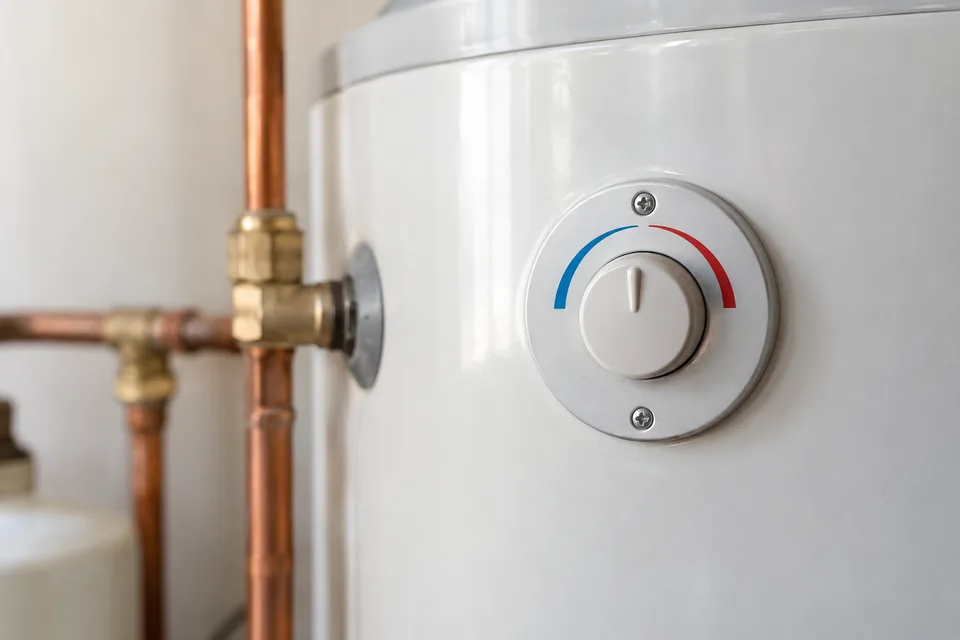
Water not hot enough
High demand, a mixing valve fault or a heating component can reduce usable hot water. Avoid raising the temperature to mask a problem, because hotter water increases scalding risk.
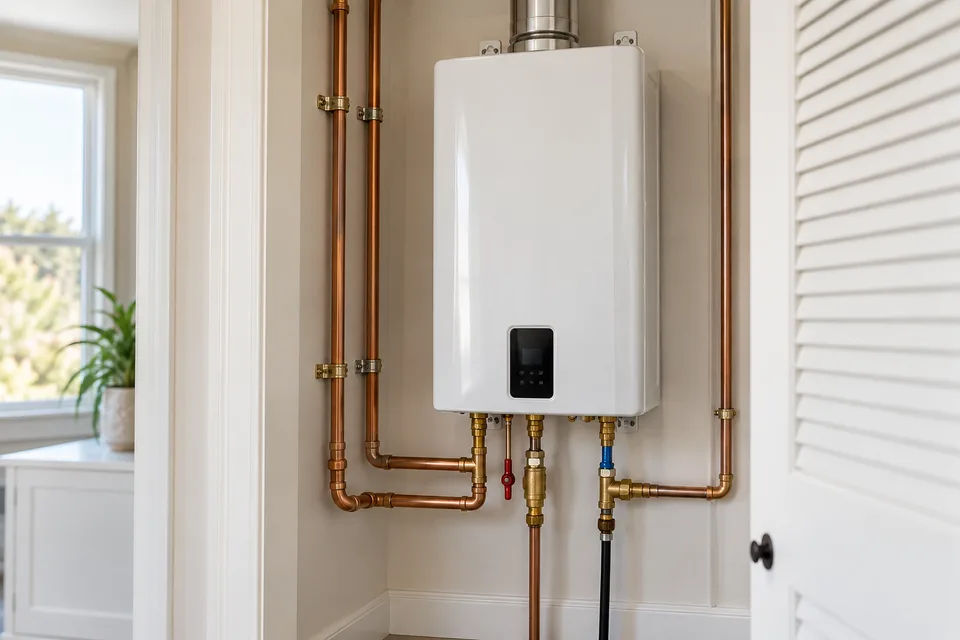
Tankless heater issues
Tankless units can have flow, scale, ignition or sensor problems. Record the displayed error code and use the model manual; do not open combustion or electrical compartments.
Types of Water Heaters to Discuss
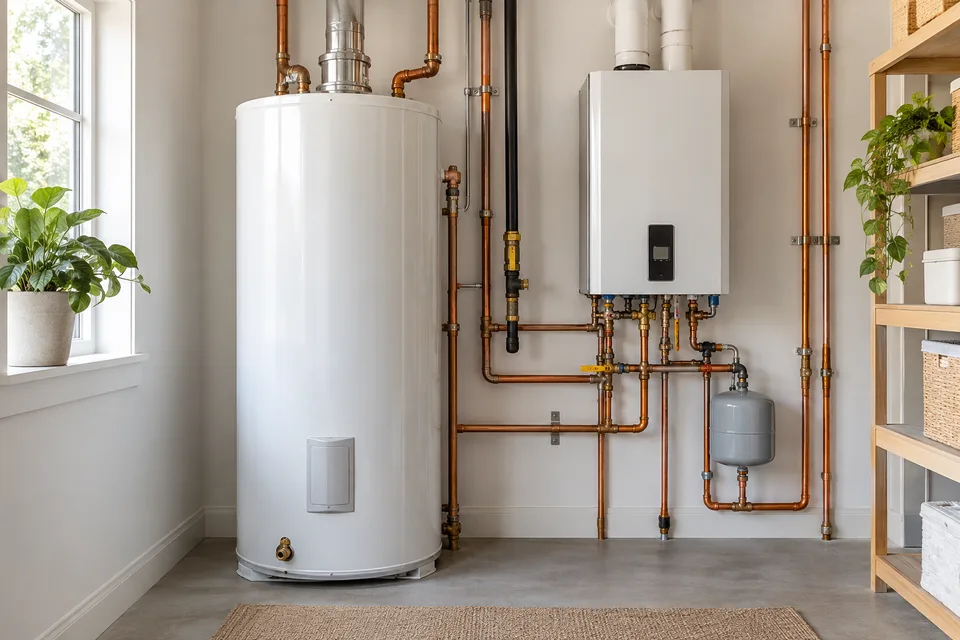
Repair needs differ between storage tanks and on-demand systems.
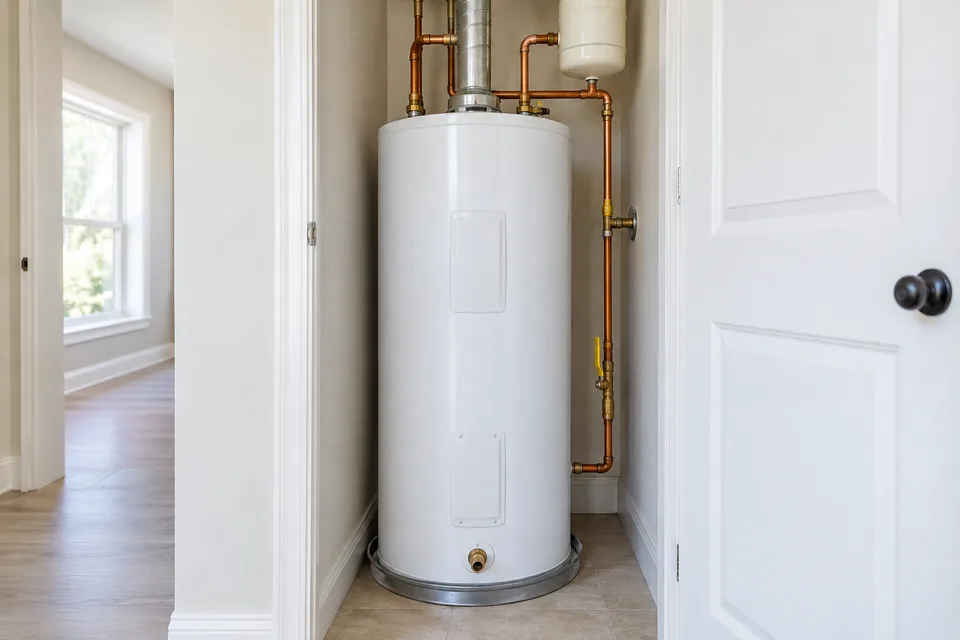
Traditional Tank
Water Heaters
Gas or electric equipment
Controls and heating components
Connections and tank condition
Tankless
Water Heaters
Error-code diagnosis
Temperature and flow issues
Model-specific scale maintenance
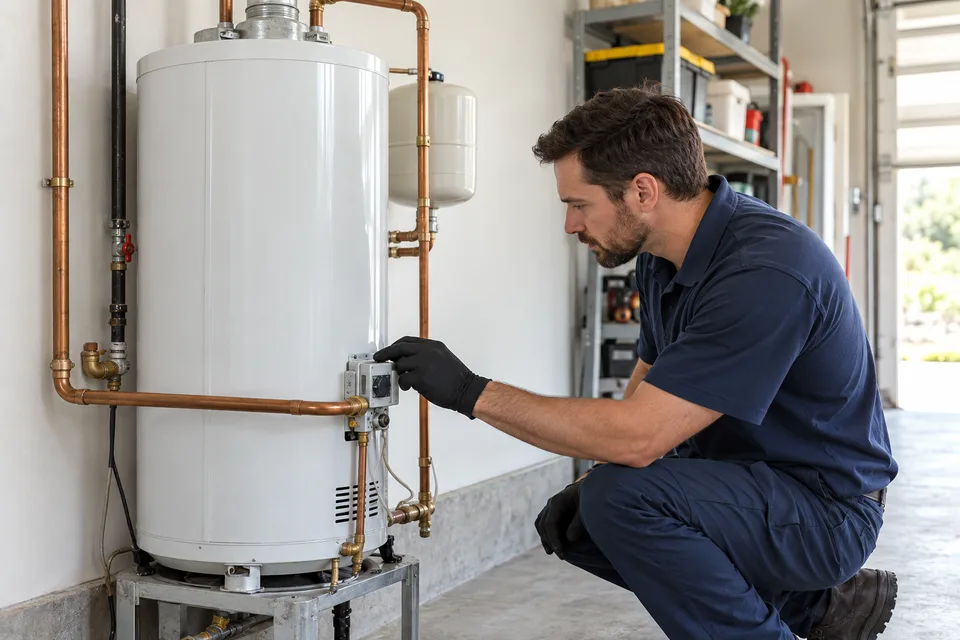
Traditional tank water heaters
Tank systems store hot water and may use gas or electricity. Diagnosis can include connections, controls, heating elements, thermostats and safety devices. Internal electrical testing and gas adjustments belong to qualified professionals. A pressure-relief valve must never be capped or plugged.
Tankless water heaters
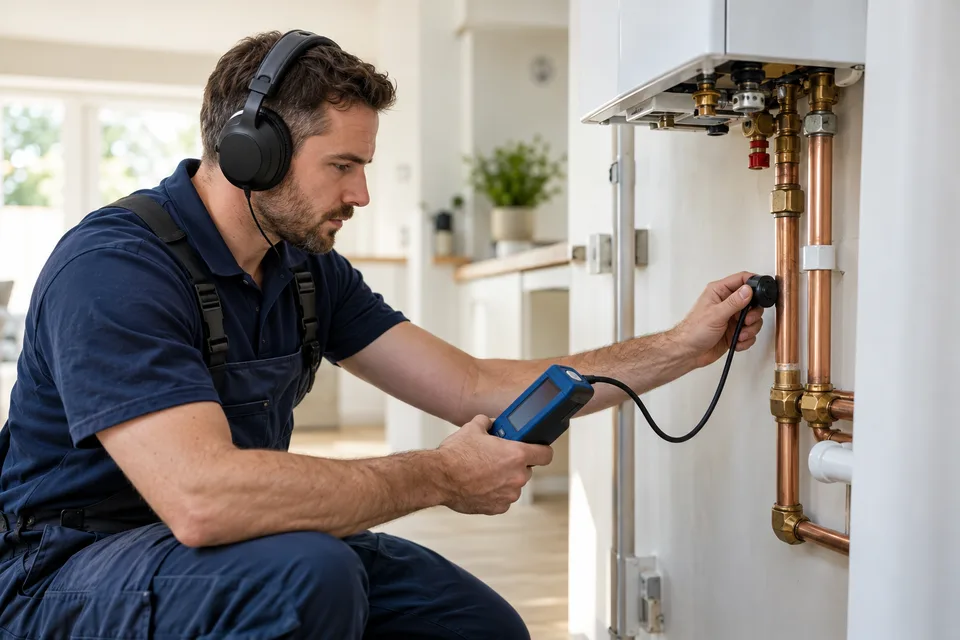
Tankless systems heat water on demand and require a suitable flow rate and energy supply. A provider may check error history, inlet screens, venting and scale conditions. Descaling intervals and chemicals must follow the specific manufacturer instructions.
Repair or replacement
Compare the confirmed fault, tank condition, parts availability, warranty and installation needs. A repair can make sense for a replaceable component in a sound tank. Corrosion through the tank or repeated failures may favor replacement. Ask for written options before authorizing work.
When to Call a Professional
Seek assessment when symptoms persist, the source is uncertain or a safe owner check does not resolve the issue.
- Persistent or recurring: no hot water
- Persistent or recurring: leaking water heater
- Persistent or recurring: strange noises
- Persistent or recurring: discolored water
- Persistent or recurring: water not hot enough
- Persistent or recurring: tankless heater issues
- Water reaching electrical equipment
- Work involving gas, concealed pipes or sewage
- A shutoff that will not operate safely
Keep clear of wet electrical areas and sewage. If you suspect a gas leak, leave without operating switches and contact the gas utility or emergency services from a safe location. Never cap a water heater relief valve.
Local area information
Explore the local context, then confirm provider coverage for your exact address.